How to keep guppies in a tub/bowl so they survive and live long

How to keep guppies in a tub/bowl so they survive and live long
How to Keep Guppies in a Tub So They Survive and Live Longer
Guppies are one of the most popular freshwater fish of all time. With their bright colors, flowing tails, and the common belief that they are “easy to keep,” many beginners are attracted to them right away. However, people who start keeping guppies in an outdoor tub or bowl often face problems such as fish dying without a clear reason or guppies becoming less active than expected.
Keeping guppies healthy and helping them live a long life doesn’t rely on luck—it requires an understanding of a small ecosystem and knowing what guppies eat to strengthen their immunity. This article will cover everything you need to know, so you can create a thriving “mini paradise” for your tiny swimmers.
Getting to Know Guppies and Why a Tub Is a Great Choice
Before learning how to keep guppies in a tub, it’s important to understand their nature. Guppies are highly adaptable fish that prefer still water or slow-moving water. Raising them in an open container such as a lotus tub, clay pot, or plastic tub offers several major advantages:
1) More Stable Temperature
A tub with a decent amount of water holds temperature much better than a small glass jar or bowl.
2) A More Natural Mini Ecosystem
Keeping guppies in a tub allows you to add aquatic plants, which help filter nitrates and provide hiding places for the fish.
3) More Swimming Space
Most tubs have a wide surface area, allowing fish to access oxygen from the surface more easily and comfortably.
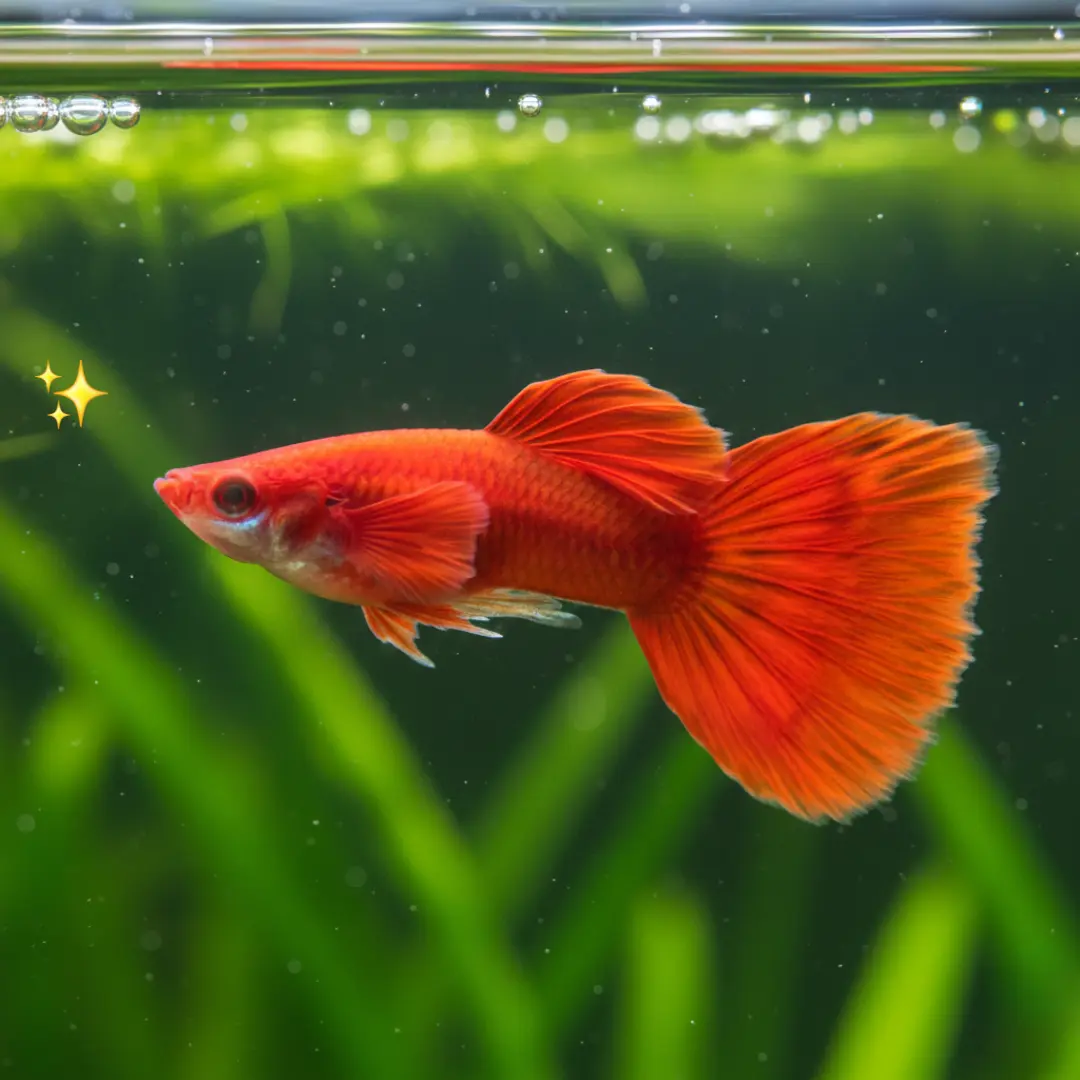
How to Keep Guppies in a Tub Healthy and Long-Lived
If you want your guppies to survive long-term, these key principles are essential:
1) Water Preparation
Never use freshly collected tap water immediately, because chlorine is highly toxic to fish. Let tap water sit for at least 2–3 days, or use a water conditioner/dechlorinator.
2) Proper Sunlight
Your tub should receive gentle sunlight for about 4–6 hours per day. This helps stimulate algae growth, which is a great natural food source. However, avoid placing the tub in direct harsh sunlight for too long, as overheating can stress or even kill the fish.
3) Regular Water Changes
Even if your tub has aquatic plants, you should still change around 20–30% of the water every week to remove accumulated waste.
4) Avoid Overstocking
Do not keep too many fish in a small space. A simple rule of thumb is 1 liter of water per 1 guppy, which reduces stress and competition for oxygen.
What Do Guppies Eat? Feeding Them the Right Way
A very common question is: What do guppies eat?
Guppies are omnivores, meaning they eat both plant and animal-based foods. However, low-quality food can affect their coloration and digestive health.
Natural Foods
- Mosquito larvae
- Bloodworms
- Algae (helps support digestion)
Commercial Fish Food
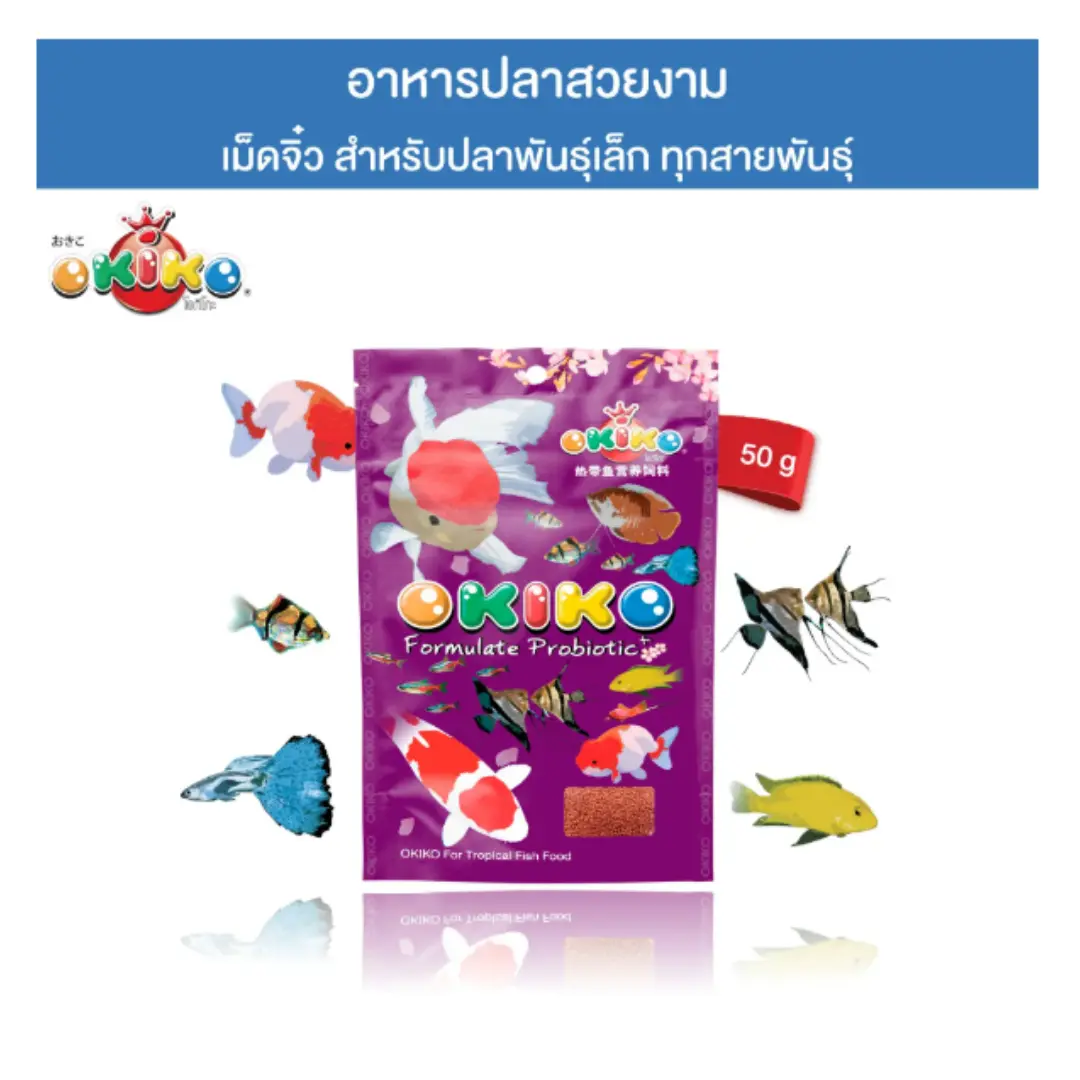
Choose fish food with tiny pellets that are easy to swallow, and look for high-protein formulas for better growth and stronger health.
For the best results, OKIKO Formulate Probiotic+ is highly recommended. This premium ornamental fish food comes in small pellets suitable for small fish of all types. It contains probiotics that help balance gut health, making fish stronger from the inside, enhancing color, and reducing how quickly the water becomes dirty. It is packed in a convenient 50-gram pouch for freshness and portability.
Common Problems When Keeping Guppies in a Tub (And How to Prevent Them)
Even when you follow the correct guppy care methods, these issues can still happen:
Water Gets Dirty Too Fast
This is usually caused by overfeeding. Feed small amounts at a time, but more frequently, and avoid leaving uneaten food in the water.
White Spot Disease (Ich)
This often happens when the temperature changes suddenly. Placing the tub in an area with stable temperature can significantly reduce the risk.
Female Guppies Dying After Giving Birth
This can happen due to stress and constant chasing by male guppies. Add dense aquatic plants so females have a place to hide and rest.
Predators Attacking the Fish
Birds or cats may try to catch guppies from an open tub. Use a fine mesh net or cover to protect them.
Summary
Learning the right way to keep guppies in a tub can turn an ordinary lotus tub into a lively and thriving underwater world. The key is keeping the water clean, maintaining a stable temperature, and understanding what guppies eat so they receive complete nutrition. Investing in high-quality food like OKIKO can save time and reduce the risk of losing the fish you care about in the long run.


Shop Available Now
let’s shop




Shop Available Now
let’s shop