Beginner’s Guide to Betta Fish Care for Strong and Healthy Fish

Beginner’s Guide to Betta Fish Care for Strong and Healthy Fish
Betta Fish Care Guide for Beginners: How to Keep Betta Fish Healthy and Beautiful | Okiko
Betta fish, or Betta splendens, are one of the most popular freshwater fish in Thailand and around the world. With their vibrant colors, stunning patterns, and long, flowing fins, bettas are not only beautiful ornamental fish but also have unique personalities that captivate their owners. However, keeping betta fish healthy and beautiful requires a good understanding of their natural behavior and needs. This article will guide you through how to care for betta fish, from the basics to practical tips on raising bettas to be strong, healthy, and vibrant in color.
Getting to Know Betta Fish Before Raising Them: A Beautiful Fighter with Unique Charm
Betta fish are native to Southeast Asia, particularly Thailand, Cambodia, and Vietnam. They are often called “the fighters of the water” due to the territorial behavior of males, who naturally fight to defend their territory. Although betta fighting is no longer widely encouraged, this instinct remains a defining characteristic that gives bettas their distinctive identity.
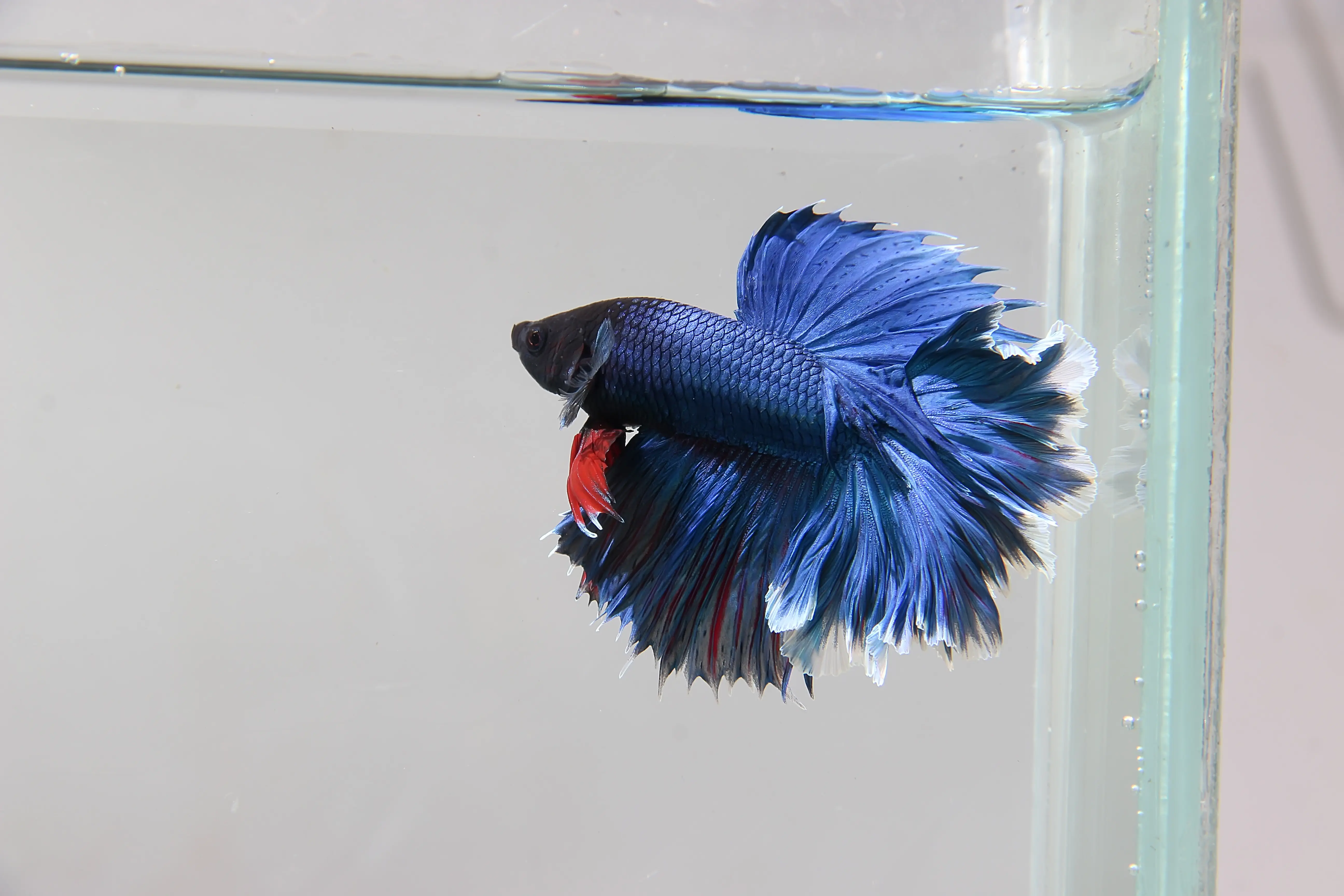
Beyond their fighting nature, betta fish are known for their remarkable beauty. Male bettas display bright colors and long, flowing fins, while females tend to have softer colors and shorter fins. Despite being less flamboyant, female bettas are equally attractive and generally have calmer, more social behavior. Understanding the differences between male and female bettas helps owners plan proper and suitable betta fish care.
Betta Fish Behavior and Natural Habitat
In nature, betta fish live in shallow waters such as rice paddies, canals, and small ponds, where oxygen levels are often low. Bettas can survive in these conditions thanks to a special organ called the labyrinth organ, which allows them to breathe air directly from the surface. This is why betta fish can be kept in relatively small containers—provided that water quality is carefully maintained.
Male bettas are highly territorial and will display aggressive behavior toward other males. If kept together without separation, this can lead to stress or serious injury. Therefore, understanding their natural temperament and creating an appropriate environment is essential to keeping betta fish healthy and thriving.
How to Keep Betta Fish Healthy: Choosing the Right Container, Water, and Food
Keeping betta fish healthy starts with the most basic essentials—the container, water quality, and proper food, all of which should align with the fish’s natural needs.
Suitable Containers for Betta Fish
Betta fish can be kept in small bowls, glass jars, or tanks holding 1–3 liters per fish, as long as there is enough space for comfortable swimming. The container should have a lid to prevent jumping. Male bettas should never be kept together in the same container, as this will lead to fighting. Each male should be housed separately, or partitions should be used to create individual territories.
Placing the container in an area with moderate lighting and no direct sunlight helps maintain vibrant colors and reduces stress. Adding aquatic plants or leaves can simulate the betta’s natural habitat and provide hiding spots, making the fish feel more secure.
Water Quality and Water Changes
Water quality is a crucial factor in betta fish care. Bettas prefer clean water with a pH level of around 6.5–7.5, and an ideal temperature range of 25–28°C. It is recommended to change 20–30% of the water every 2–3 days to prevent the buildup of toxins and harmful bacteria.
If a filter is used, it should be a gentle-flow filter, as strong currents can stress betta fish and negatively affect their health.
Suitable Nutrition for Betta Fish
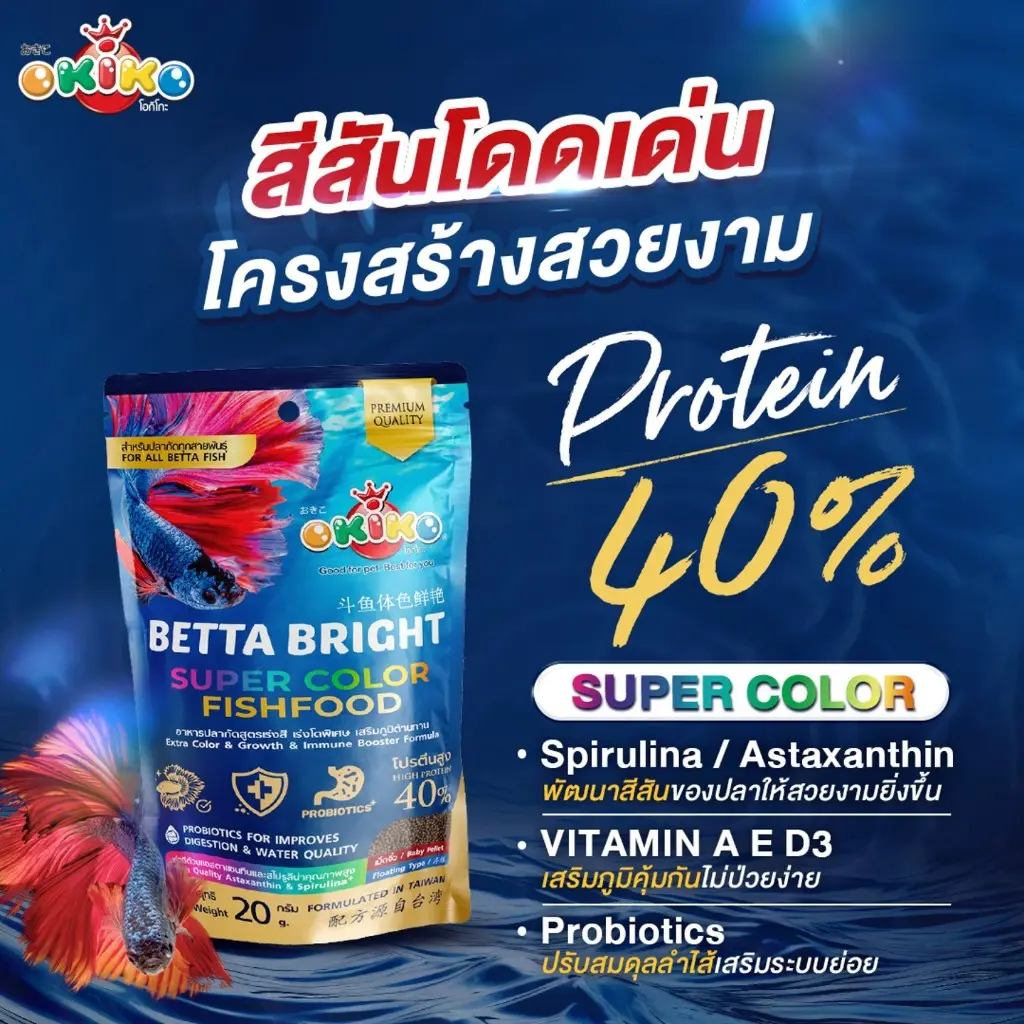
Food plays a vital role in enhancing both the coloration and overall health of betta fish. A well-balanced diet should be high in protein and contain nutrients that support fin development and vibrant colors. For beginners, OKIKO BETTA BRIGHT Betta Fish Food is highly recommended. It is made from high-quality protein and provides complete nutrition, enriched with spirulina algae and astaxanthin to intensify bright, vivid colors. The formula also includes vitamins and minerals to strengthen immunity, as well as probiotics that support healthy digestion and help keep the water cleaner. The small pellet size makes it easy for bettas to eat, promoting proper growth and striking coloration.
Betta fish should be fed 1–2 times per day in appropriate portions. Overfeeding should be avoided, as leftover food can decay and quickly pollute the water. Offering live food such as bloodworms or daphnia occasionally can help stimulate appetite and improve body condition.
Tips for Keeping Betta Fish Vibrant, Beautiful, and Healthy from the Inside Out
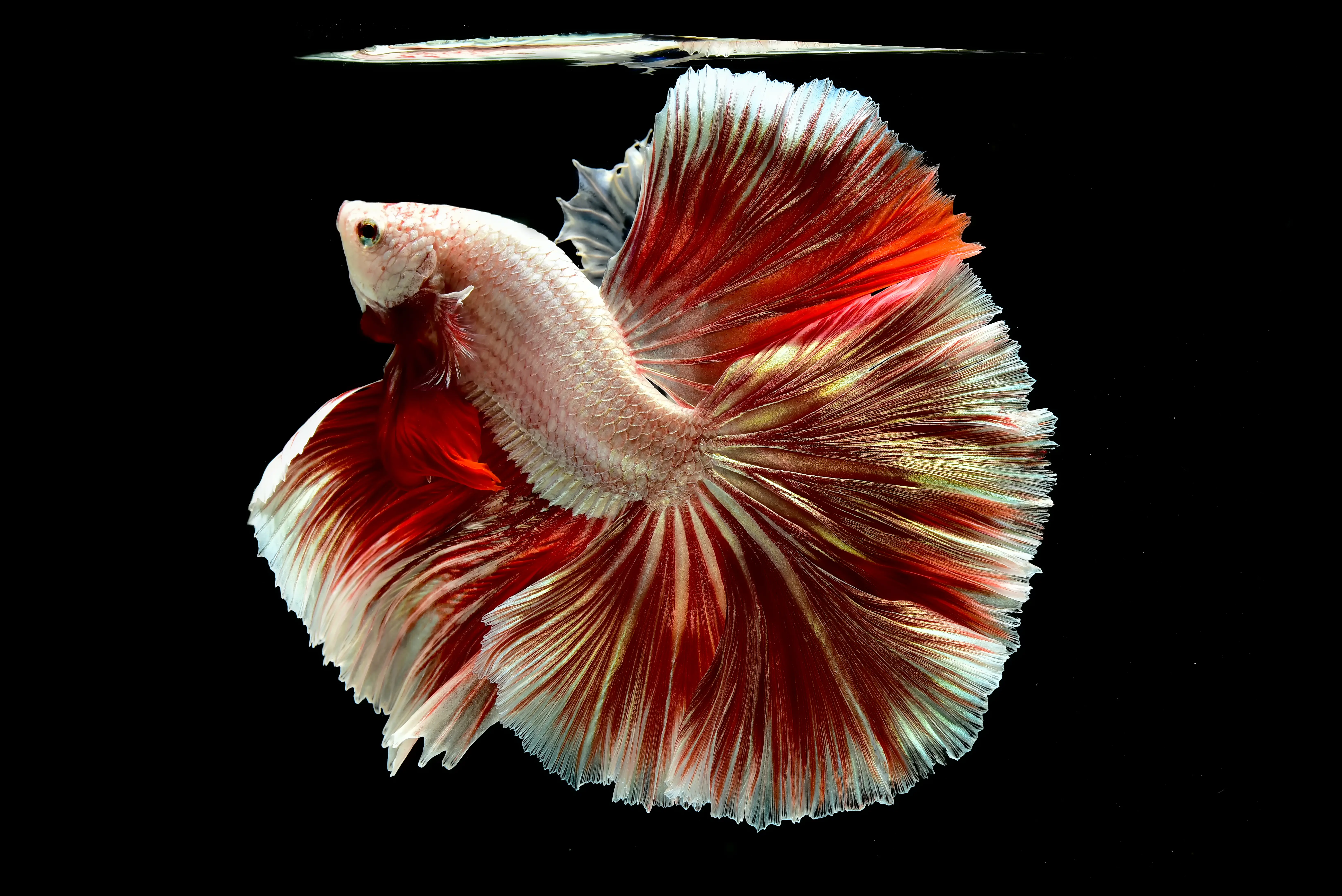
Caring for betta fish to keep them beautiful and strong goes beyond just feeding and changing the water. It also involves regular observation of their behavior and overall health to ensure any issues are detected early.
Maintain Cleanliness and a Healthy Environment
Betta fish thrive in clean water and environments with hiding spots. Regularly cleaning the bowl or tank helps reduce the risk of disease and fungal infections. In addition, adding aquatic plants or natural materials to the container helps reduce stress and creates a more natural, comfortable habitat for the fish.
Enhancing Color and Fin Health
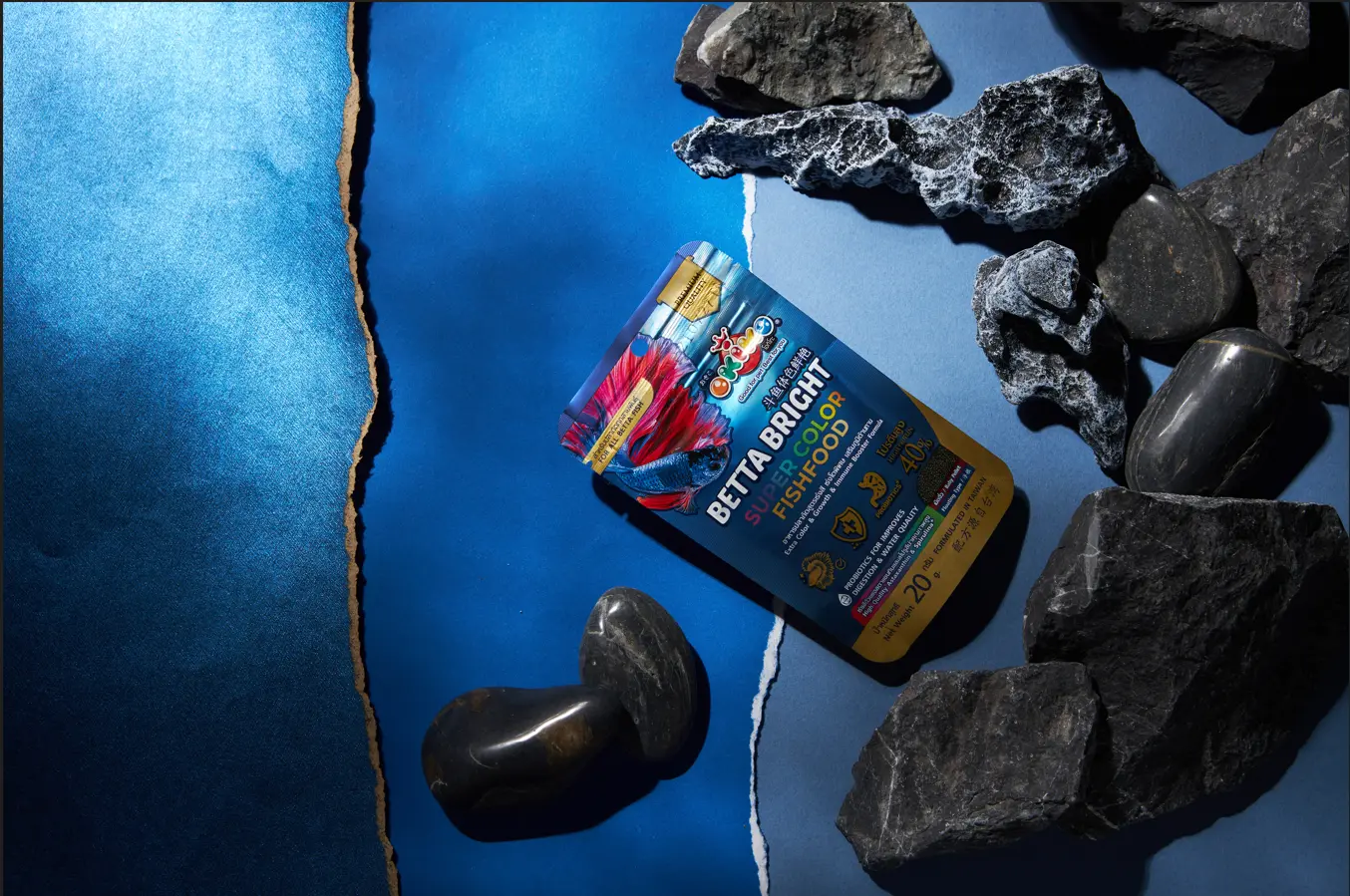
Proper lighting is an important factor in maintaining a betta fish’s vibrant colors. Avoid placing the tank in areas that are too dark or exposed to intense direct sunlight. In addition, feeding high-quality food such as OKIKO BETTA BRIGHT Betta Fish Food, which contains spirulina algae and astaxanthin, provides essential nutrients that support color development and healthy fin growth. Allowing betta fish to swim in a sufficiently spacious area or adding gentle obstacles for them to swim around also helps build muscle strength and keeps their fins strong from within.
Monitoring Health and Preventing Disease
Regularly observe your betta fish’s behavior, especially their appetite. If a fish starts hiding excessively or shows damaged or frayed fins, it may be a sign of stress or illness. Checking and adjusting the environment, along with providing appropriate nutrition, can help prevent health issues and keep betta fish strong and resilient.
Conclusion
Raising betta fish to be beautiful and healthy is not difficult, but it does require knowledge, attention, and thoughtful planning—from choosing the right container and maintaining water quality to selecting suitable food such as Betta Bright betta fish food. Understanding each fish’s natural behavior allows owners to truly enjoy the experience and keep bettas with vibrant colors, graceful fins, and strong overall health.
For beginners, studying how to care for betta fish in detail will help you start with confidence and fully enjoy the charm of these small yet captivating fighters that so many people love.
สารบัญ



Shop Available Now
let’s shop




Shop Available Now
let’s shop