How to Welcome a New Cat Without Upsetting Your Resident Cat Tips to Prepare Your Home So Everyone Stays Happy
Posted Date: 19/01/2569
How to Welcome a New Cat Without Upsetting Your Resident Cat: Home-Prep Tips for a Happy Multi-Cat Household
Deciding to bring a new cat into your home is exciting for any cat parent. But for the original “resident cat” who already owns the territory, a sudden newcomer with an unfamiliar scent can feel like a disaster. Sulking, guarding territory, stress, and even fights are common. That’s why many people search for how to help cats get along quickly or how to introduce cats peacefully.
This article will guide you through a step-by-step, structured approach to introducing a new cat at home, so every four-legged family member can live together happily and sustainably.
Why Your Resident Cat May Get Upset When a New Cat Arrives
Your resident cat’s “jealousy” or aggression isn’t bad behavior—it’s a natural survival instinct related to safety and territory. The main reasons include:
1) Territory security
Cats use scent to mark ownership. A new smell from an unfamiliar cat can feel like a direct threat to their space and stability.
2) Fear of losing resources
Your resident cat may worry about having to share food bowls, litter boxes, favorite viewpoints, or even your attention and affection.
3) Stress from change
Cats thrive on routine. Sudden environmental changes can make them feel like they’ve lost control, which often leads to anxiety and defensive reactions.
Preparing Your Home Before the New Cat Arrives
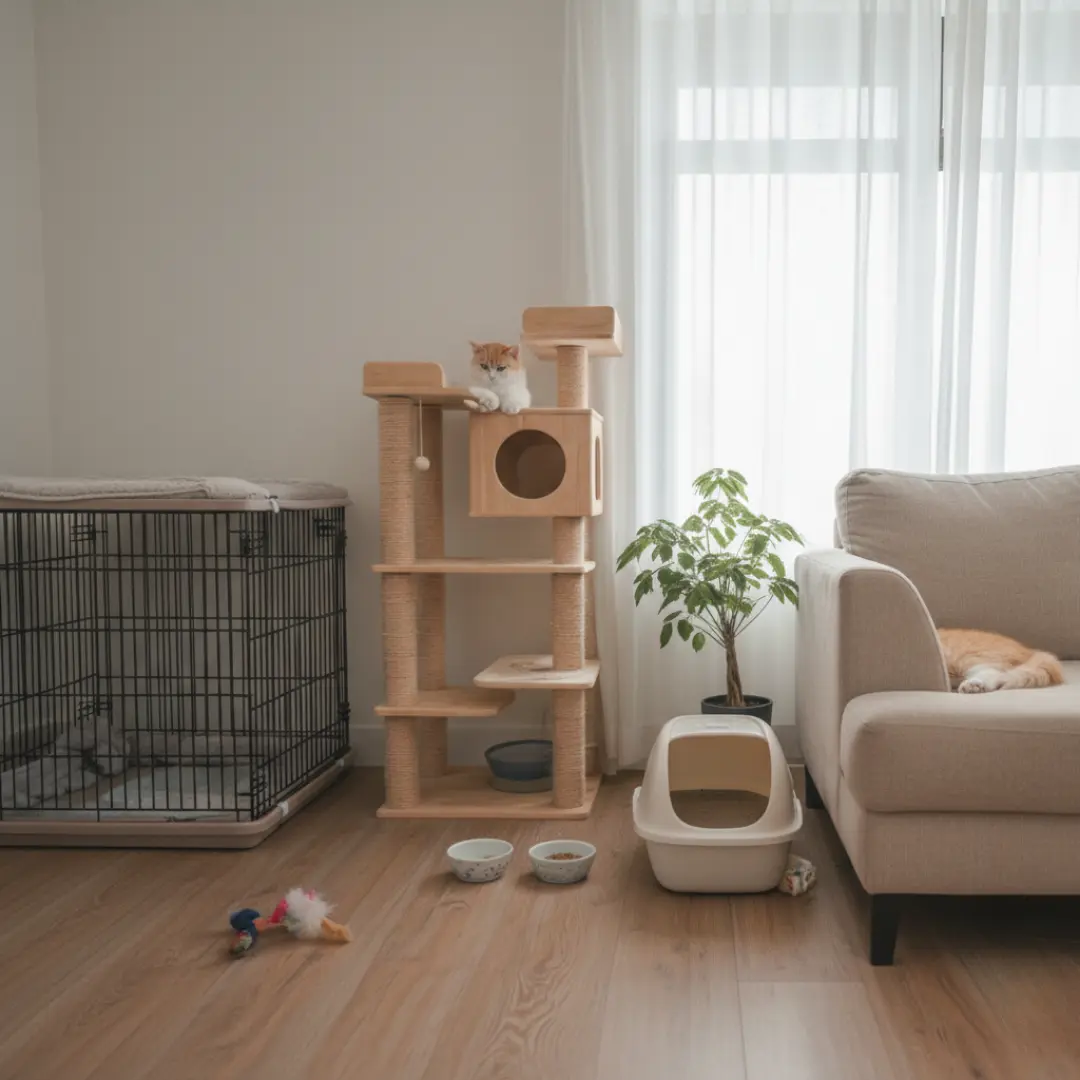
Before bringing the new cat home, planning ahead is the most important step. If you’re wondering what to prepare before welcoming a new cat, start with these three essentials:
1) Create a safe zone (a separate room)
Prepare a dedicated room for the new cat during the first 7 days. This allows the newcomer to adjust safely and reduces face-to-face confrontation with the resident cat.
2) Use the N + 1 rule for resources
To reduce conflict, key resources—especially the litter box—should follow the N + 1 rule (number of cats + 1).
Example: If you have 2 cats, you should provide 3 litter boxes.
Also, separate food and water bowls and place them in different areas around the home.
3) Use stress-reduction support
Consider a plug-in synthetic pheromone diffuser to help create a calmer atmosphere in shared areas.
Step-by-Step Introduction: Help the New Cat and the Resident Cat Get Along Gradually
If you want to know how to help cats get along faster, the most effective secret is: don’t rush. Follow these steps:
Step 1: Swap scents
Gently rub a towel on the new cat’s cheeks, then place it for the resident cat to sniff. Do the same in reverse. This helps both cats get familiar with each other’s scent without meeting face-to-face.
Step 2: Switch territories
Allow the new cat to explore the outside area of the house while the resident cat explores the new cat’s room. This helps spread both scents throughout the home in a balanced way.
Step 3: Let them see each other—without contact
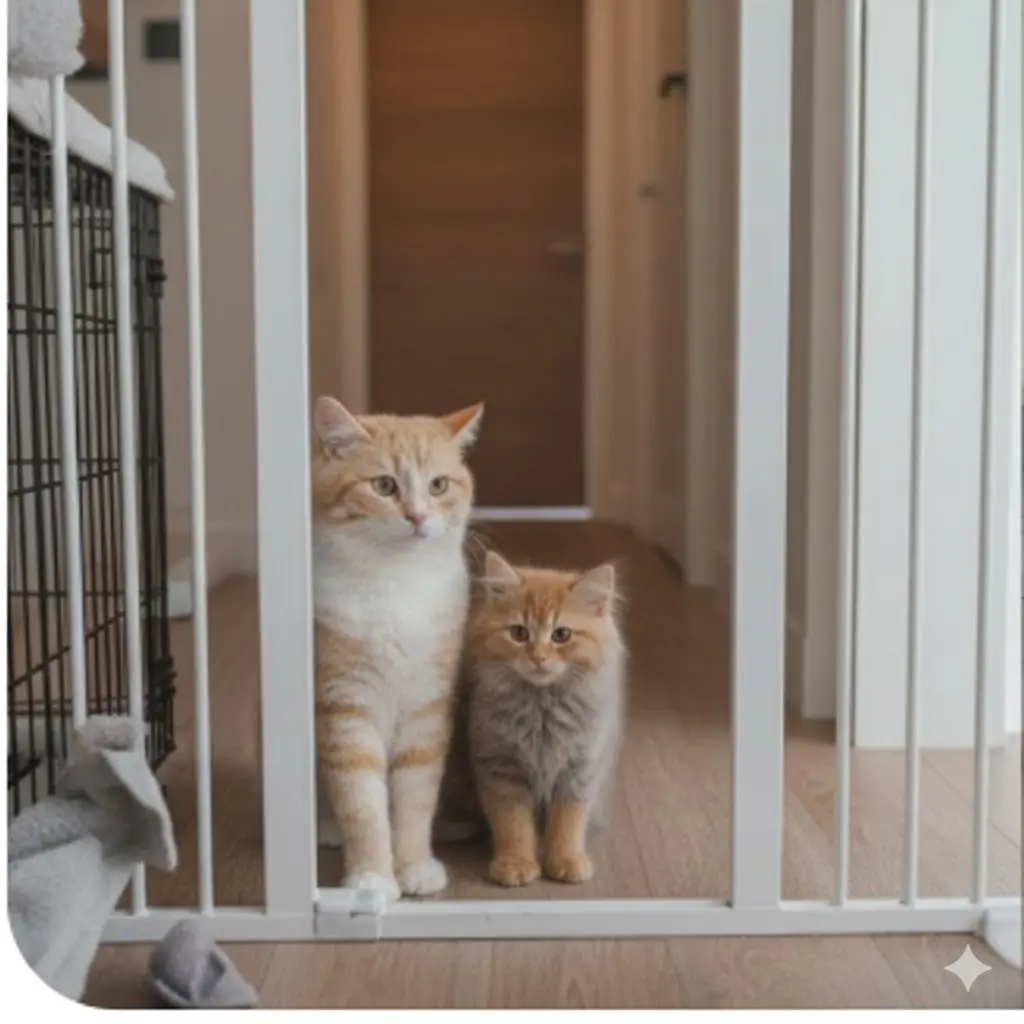
Use a glass door, screen door, mesh gate, or crate barrier so they can see each other from a safe distance. At this stage, give both cats lickable treats to build a positive association:
“Seeing the new friend = tasty rewards.”
Step 4: Short, supervised face-to-face meetings
Allow short meetings of 5–10 minutes under close supervision. If you notice intense staring or flattened ears, separate them immediately and return to the previous steps.
Watch for Signs of Stress and Conflict
When introducing a new cat, you must observe body language closely to prevent issues from escalating:
Signs of accumulated stress
- The resident cat hides and refuses food
- Over-grooming until fur becomes thin
- Urinating outside the litter box to “overmark” territory
Signs of aggression
- Ears pinned back
- Hissing or growling
- Puffed tail or lunging behavior
What to do if they fight
If a fight breaks out, do not separate them with bare hands. Use a loud sound to distract them, or place a large piece of cardboard between them. Then return the new cat to the safe room to calm down.
How to Build a Lasting Relationship Between the Resident Cat and the New Cat
Long-term harmony depends mainly on supporting the resident cat’s emotional security:
1) Keep things consistent
Prioritize the resident cat first—greet them first, reward them first—so they feel reassured that they are still “number one.”
2) Add vertical space
Install cat trees or wall shelves. Cats often reduce conflict by staying on different levels. Higher spaces help timid cats feel safer.
3) Use play to strengthen bonding
Play with both cats at the same time (in separate corners) using wand toys. This helps release energy and stress, and teaches them that having the other cat around can be fun.
Summary
Helping cats get along isn’t about speed—it’s about the right timing and the right steps. Introducing a new cat properly can significantly reduce the risk of behavioral and emotional issues. With patience and a calm, step-by-step approach, your question “How can my cats get along faster?” will eventually turn into success—when you finally see them resting side by side.
สารบัญ
- How to Welcome a New Cat Without Upsetting Your Resident Cat: Home-Prep Tips for a Happy Multi-Cat Household
- Why Your Resident Cat May Get Upset When a New Cat Arrives
- Preparing Your Home Before the New Cat Arrives
- Step-by-Step Introduction: Help the New Cat and the Resident Cat Get Along Gradually
- Watch for Signs of Stress and Conflict


related blog





Shop Available Now
let’s shop




Shop Available Now
let’s shop