Kidney health in cats starts with diet: high protein, low sodiu how should you choose food to help them live longer?
Posted Date: 19/01/2569
Healthy Cat Kidneys Start with the Right Diet High Protein, Low Sodium How to Choose Food for a Longer Life
Kidney disease in cats is often seen as a “silent threat” that cat owners around the world fear the most. This is because cats rarely show clear signs of illness until their kidney function has already declined by more than 75%, and in many cases, it may be too late to reverse the damage.
One major reason why kidney disease has become increasingly common in modern house cats is dietary habits, especially foods that are heavily seasoned or contain an imbalanced amount of minerals. Switching to low-salt cat food or low-sodium cat food is therefore a key step in supporting kidney function and significantly extending your cat’s lifespan.
This article will take you deeper into the importance of kidney health, how to read nutrition labels to identify low-sodium cat food, and tips for choosing low-sodium wet cat food to help promote long-term health from the inside out.
Why Cat Kidneys Are So Important to Overall Health
The kidneys are one of the most complex waste-filtering systems in a cat’s body. Once kidney function begins to decline, other body systems may also be affected because the kidneys are responsible for several essential functions, including:
1) Filtering and Removing Toxins
The kidneys filter the blood to remove waste products from metabolism—especially urea and nitrogen compounds. If these wastes cannot be properly eliminated, toxins build up in the bloodstream and may lead to a dangerous condition known as toxemia (blood poisoning).
2) Maintaining Fluid Balance
Cats naturally have a low thirst drive, meaning they tend to drink less water than many other animals. As a result, their kidneys must work harder to reabsorb water and produce highly concentrated urine, which can place extra strain on kidney function over time.
3) Regulating Blood Pressure
The kidneys release a hormone called renin, which helps regulate blood pressure. If the kidneys become damaged, cats may develop high blood pressure, which can negatively affect the eyes and the heart.
4) Managing a Delicate Mineral Balance
The kidneys control important minerals such as sodium, potassium, and phosphorus. Feeding low-sodium cat food helps reduce pressure within the tiny blood vessels in the kidneys, preventing excessive strain and supporting healthier kidney function in the long term.
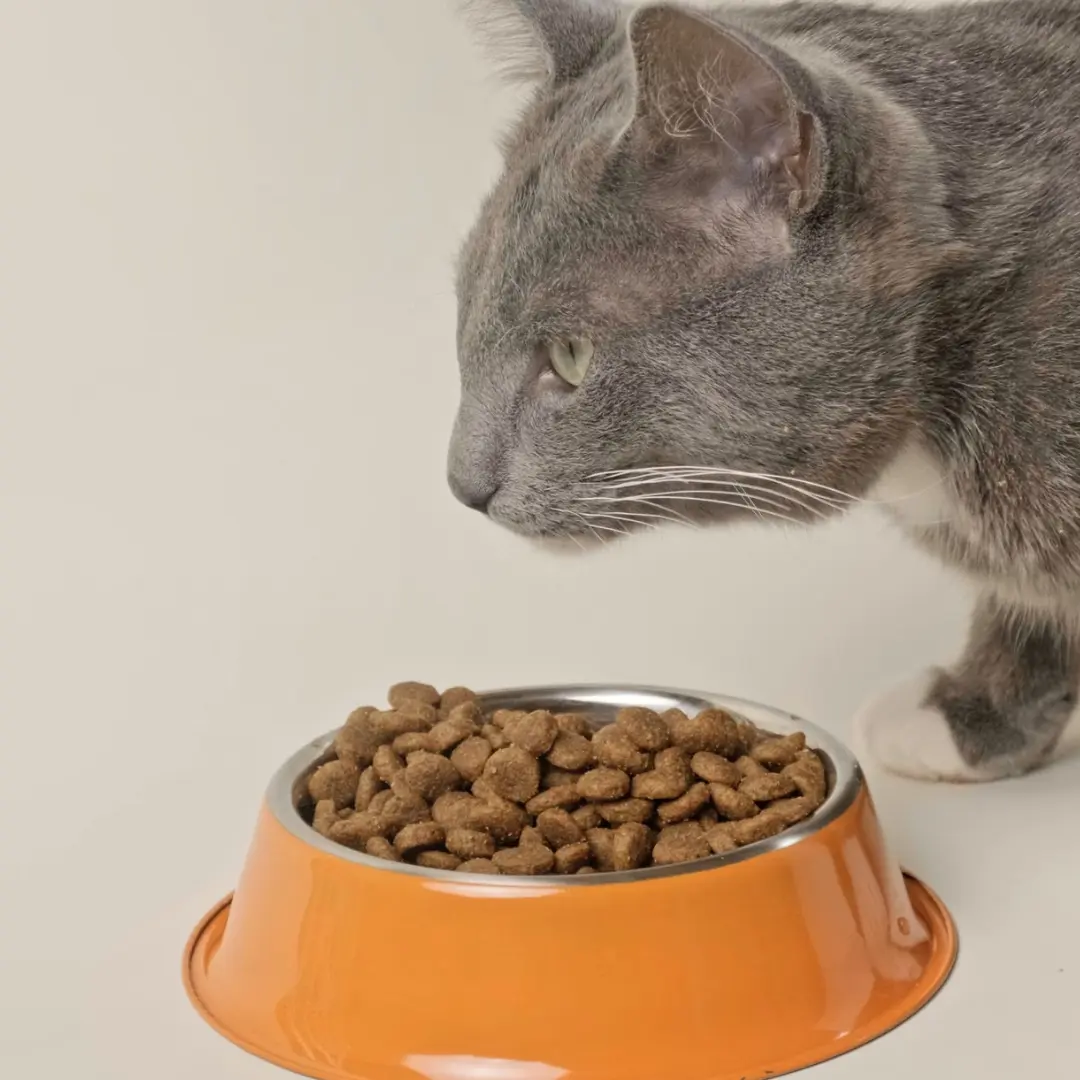
What Does “High Protein and Low Sodium” Mean in Cat Food? Understanding Proper Nutrition
Many cat owners often get confused between prescription kidney diets and kidney-supportive diets for healthy cats. The key fact to understand is:
Healthy cats do not need to restrict protein, but owners should pay close attention to keeping sodium and phosphorus at appropriate levels.
High-Quality High Protein
Cats are obligate carnivores, meaning their bodies require amino acids from animal-based protein in order to repair tissues and maintain overall health. Choosing cat food that provides high protein from real meat sources (not scraps, fillers, or animal by-products) allows the body to digest and absorb nutrients more efficiently.
As a result, the cat produces fewer waste products, which means the kidneys have less metabolic waste to filter out, helping reduce strain on kidney function over time.
Low Sodium
Low-sodium cat food refers to food that does not contain unnecessary added salt or extra seasoning. Cats naturally need only a small amount of sodium to support normal cellular function and maintain proper electrical balance in the body.
However, many low-cost cat foods tend to add excessive salt to make the food more appealing so cats become “addicted” to the taste and eat more. Unfortunately, too much sodium can directly burden the kidneys and may increase the risk of long-term kidney problems.
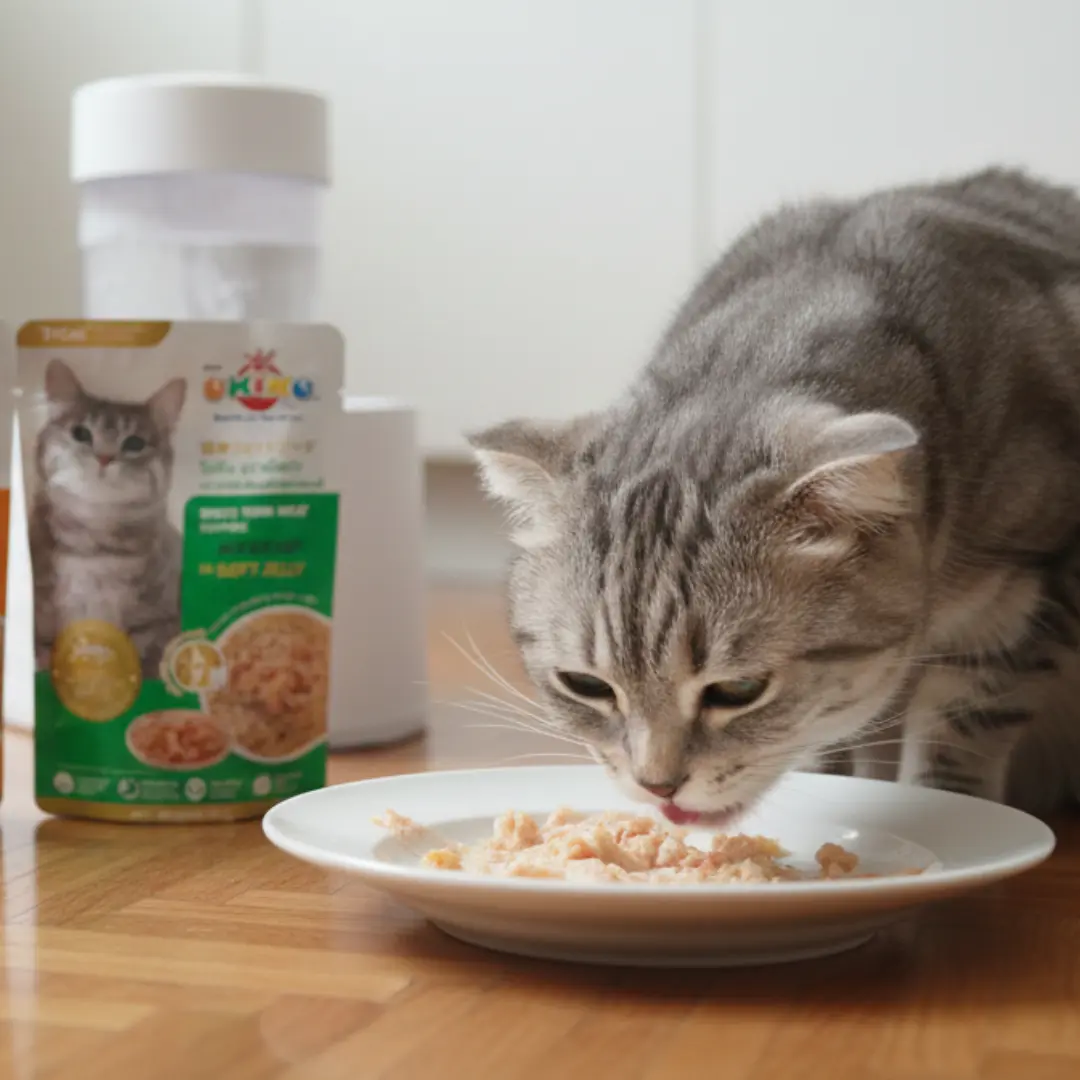
How to Choose the Right Cat Food for Kidney Support
If you’re looking for low-salt cat food that supports kidney health, use these practical guidelines.
1) Check the Ingredient List (Top 1–3 Ingredients)
The first three ingredients should be clearly named animal proteins, such as:
- chicken
- salmon
- turkey
- tuna
This helps confirm the formula is centered around high-quality protein, not fillers.
2) Review the Guaranteed Analysis
As a general guideline for adult cats, look for:
- Sodium: ideally no more than 0.5%
- Phosphorus: ideally lower than 1.0%
These targets can vary by brand, life stage, and health condition—but they provide a useful starting point for comparing foods.
3) Don’t Feed Dry Food Only
Dry kibble has low moisture content. If a cat eats only kibble and drinks little water, the kidneys must work harder to process and eliminate waste.
A practical solution is adding low-sodium wet cat food at least one meal per day to increase hydration and support urinary health.
4) Avoid Unnecessary Additives
Try to avoid foods with:
- artificial colors
- strong chemical preservatives
- excessive flavor enhancers
These can add unnecessary “processing” work for the body—including the kidneys.
A Simple Moisture Booster: Low-Sodium Wet Food (No Added Salt)
Once cat owners start focusing on kidney health, many discover that increasing moisture intake is one of the easiest and most effective steps.
Since cats naturally drink less water, feeding low-sodium wet cat food helps:
- increase hydration effortlessly
- reduce the risk of overly concentrated urine
- support the urinary system
- decrease kidney workload over time
Some brands (for example, OKIKO wet food) communicate “No Added Salt / Low Sodium” in certain formulas. However, the most important rule remains:
Always read the label before choosing.
Look for “No Added Salt / No Salt Added,” and review sodium and phosphorus levels to ensure they suit your cat’s age and condition.
Quick tip: Warm the wet food with a small amount of warm water, or add extra water to enhance aroma and increase moisture in the same meal.
Important: If your cat has already been diagnosed with kidney disease, consult your veterinarian and prioritize prescription kidney diets. Low-salt food alone should not replace medical treatment.
Tips for Transitioning to Low-Sodium Food (Without Stress)
Cats that are used to salty flavors may ignore healthier food at first. Use these simple strategies to make the transition smoother.
Use a 7-Day Food Transition Plan
- Days 1–2: 25% new food + 75% old food
- Days 3–4: 50% new food + 50% old food
- Days 5–6: 75% new food + 25% old food
- Day 7: 100% new food
This helps your cat’s digestive system and taste preferences adjust gradually.
Enhance Smell Naturally
If your cat refuses low-sodium food, mix in a little warm water to release the natural aroma of animal fats.
Encourage More Drinking
- place water bowls in multiple spots
- refresh water daily
- consider a cat water fountain
Better hydration helps dilute urine, supports urinary health, and reduces kidney strain.
Balance Meals with Wet Food
Rotating low-sodium wet food into the daily routine helps cats get moisture levels closer to what they would naturally receive from prey-based diets.
Conclusion Kidney Health Starts with Smart Nutrition
Healthy kidneys are the foundation of a long, happy life for your cat. Choosing low-salt cat food and prioritizing low-sodium cat food—especially before problems start—is one of the most valuable preventive habits a cat owner can build.
By selecting food with:
- high-quality, animal-based protein
- appropriate sodium levels
- controlled phosphorus
- and enough daily moisture
you can help reduce the risk of chronic kidney disease and support better energy, a shinier coat, and a healthier life for years to come.
Nutrition is the best medicine.
Choosing the right diet and adding low-sodium wet food is one of the simplest ways to show love and care for your cat—every single day.
สารบัญ


related blog




Shop Available Now
let’s shop




Shop Available Now
let’s shop